

Web Design Agency Services Engineered for Commercial Performance
Digital Marketing First is a web design and development agency delivering remotely across the United Kingdom and selected European markets. Website services are scoped around technical requirements, content ownership, accessibility, search visibility, and conversion measurement.
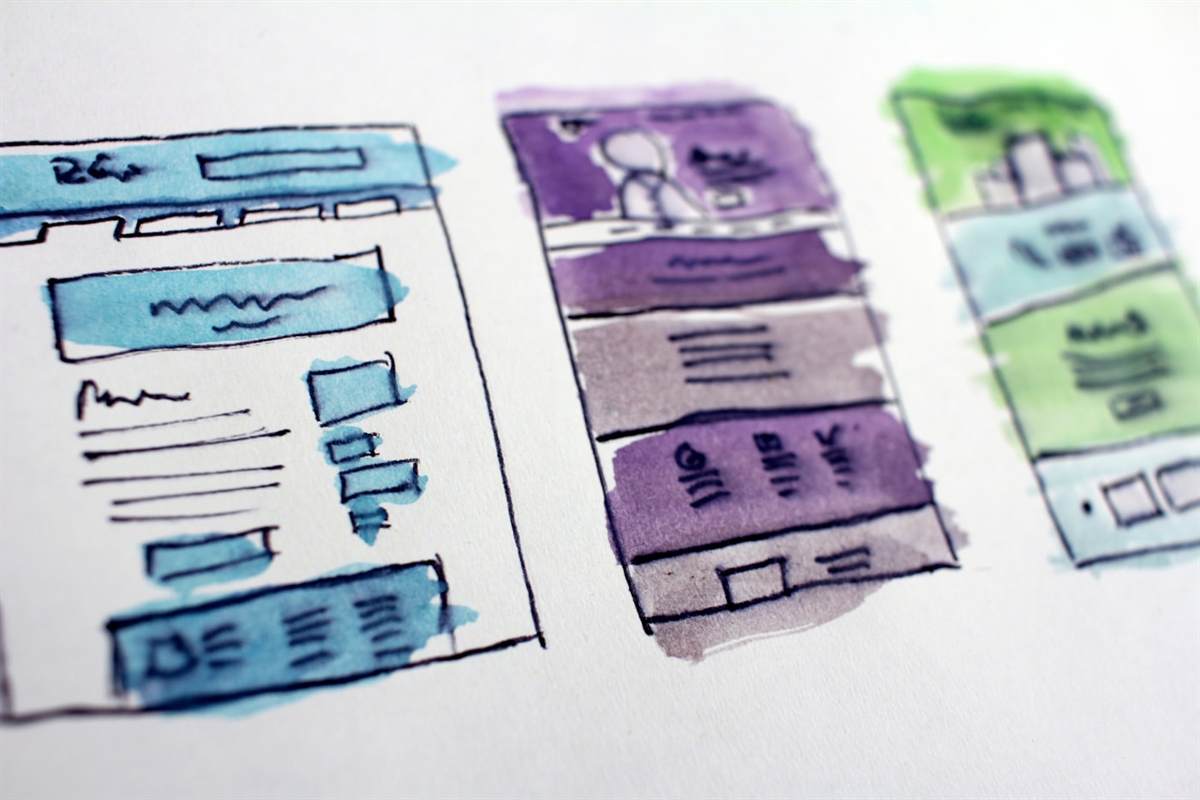
Why Underperforming Websites Cost UK Businesses More Than They Realise
Revenue loss from a poorly architected website accumulates quietly and consistently. Organisations operating on outdated digital infrastructure experience measurably higher customer acquisition costs, because every paid traffic campaign directed at a slow, non-converting site compounds media spend without generating proportional return. According to Google's mobile speed research, the probability of bounce increases 32% as page load time moves from one to three seconds — a threshold that eliminates a third of paid traffic before any engagement is recorded. For businesses running active PPC campaigns, that represents a direct and quantifiable commercial failure embedded in the site's technical structure.
The brand damage extends well beyond load performance. People form credibility judgements about a business within 50 milliseconds of landing on a website, a finding consistently reinforced across UX research literature. An interface that signals visual obsolescence, poor typographic hierarchy, or inconsistent design branding tells a prospective client that operational standards at that organisation are similarly neglected. In sectors where procurement decisions involve scrutiny of supplier credibility, an ageing website eliminates businesses from shortlists before a single conversation takes place. Winning new accounts against competitors with contemporary, professionally engineered digital presences requires parity at the first point of contact — and that point is almost always the website.
The structural layer compounds both problems. Websites built on bloated, unoptimised code frameworks create crawl inefficiencies that suppress organic visibility, independently of content quality or backlink profile. Content management systems configured without granular access control create operational bottlenecks where marketing teams cannot execute updates without routing requests through developers, introducing delays and accruing unnecessary cost. These are not cosmetic issues — they are architectural failures that constrain the commercial utility of the website as a business asset.
Businesses in Scotland can review our web design Scotland page, which links to the Edinburgh and Falkirk city pages for local SEO, service-area and enquiry-generation context. This UK service page remains responsible for the delivery method, technical standards and ownership model used across every web-design project.
Visual Portfolio Preview
Design is a trust signal. This interactive preview shows how we shape hierarchy, contrast, and conversion flow so the page itself feels like the standard we sell.
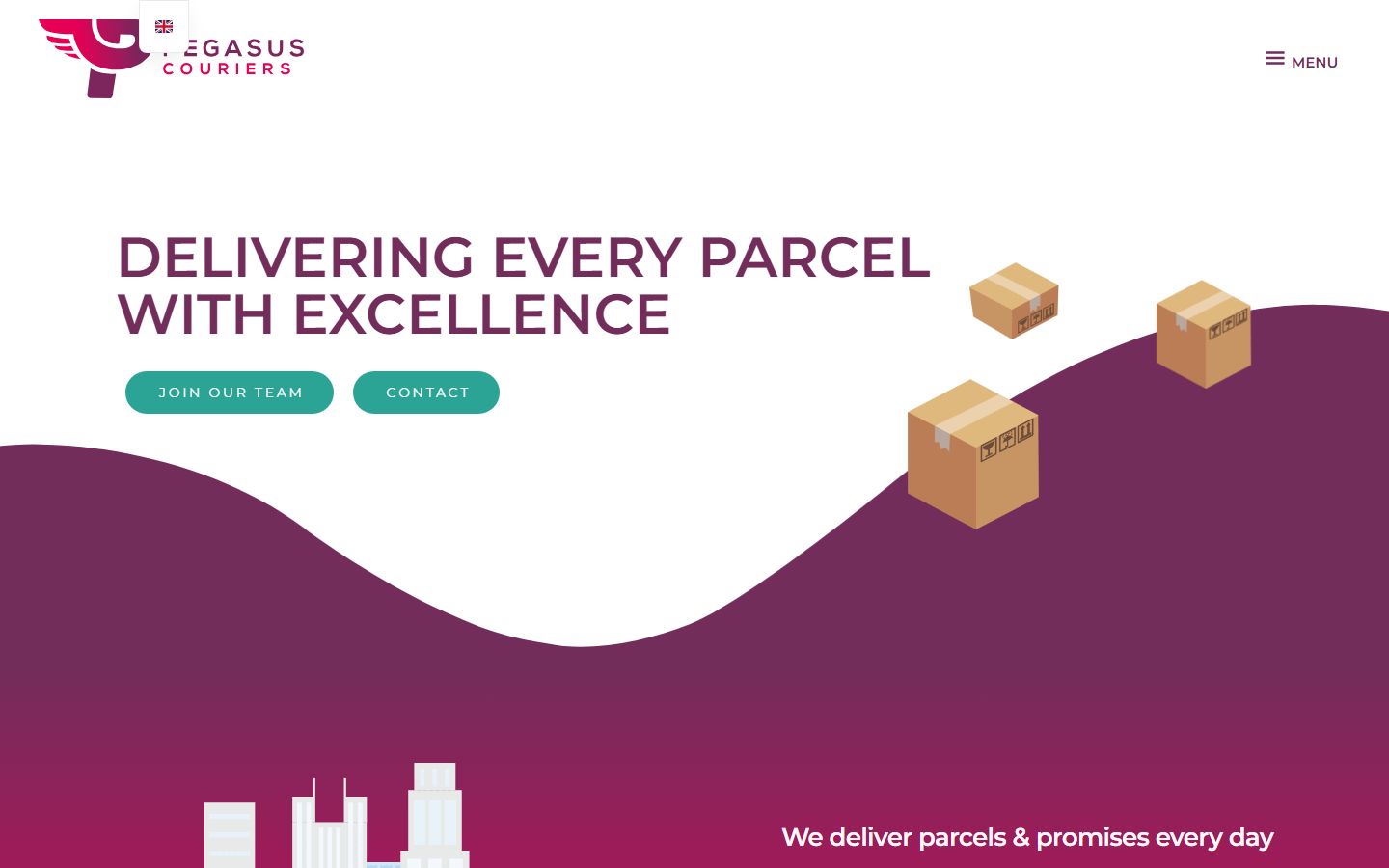


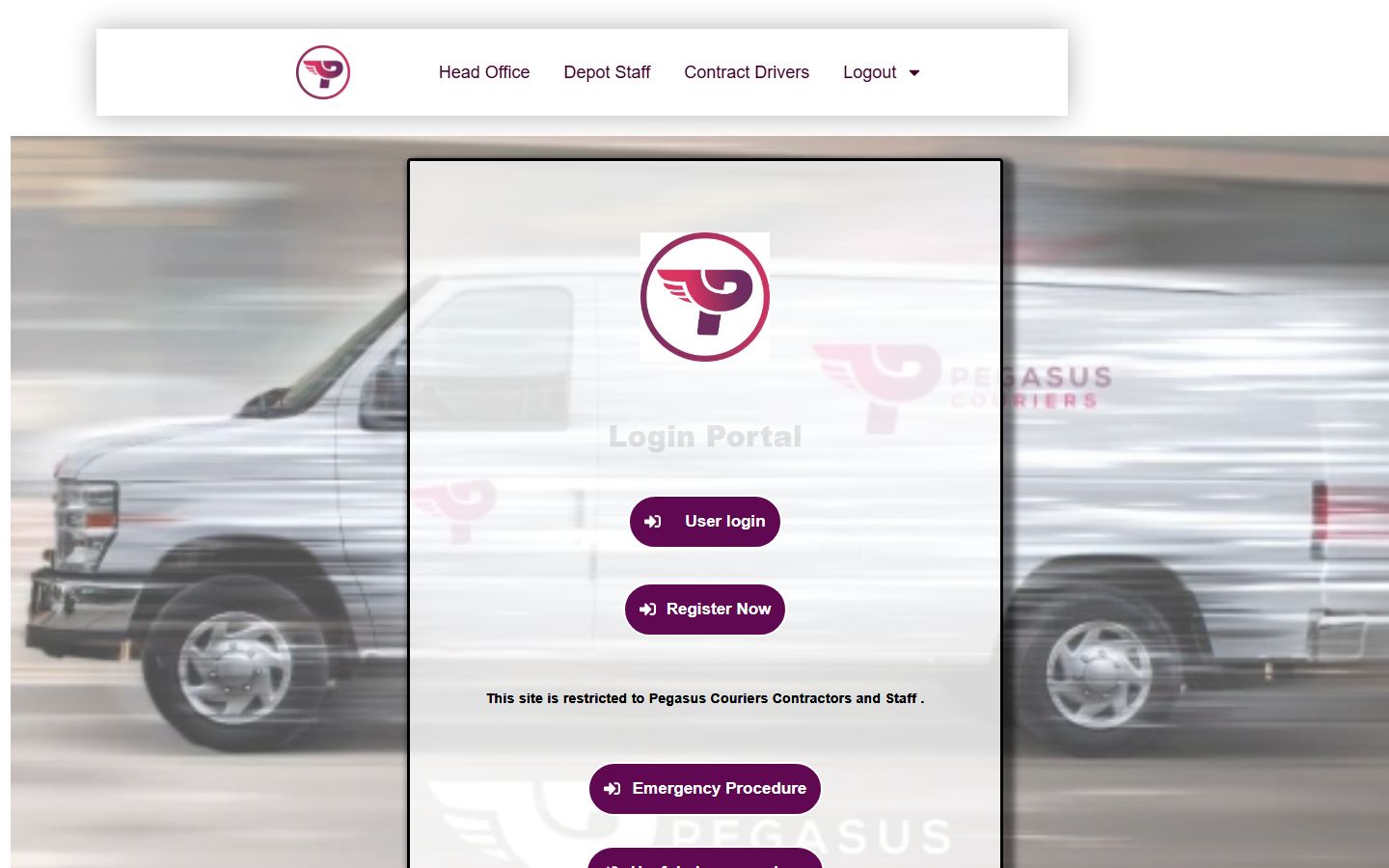
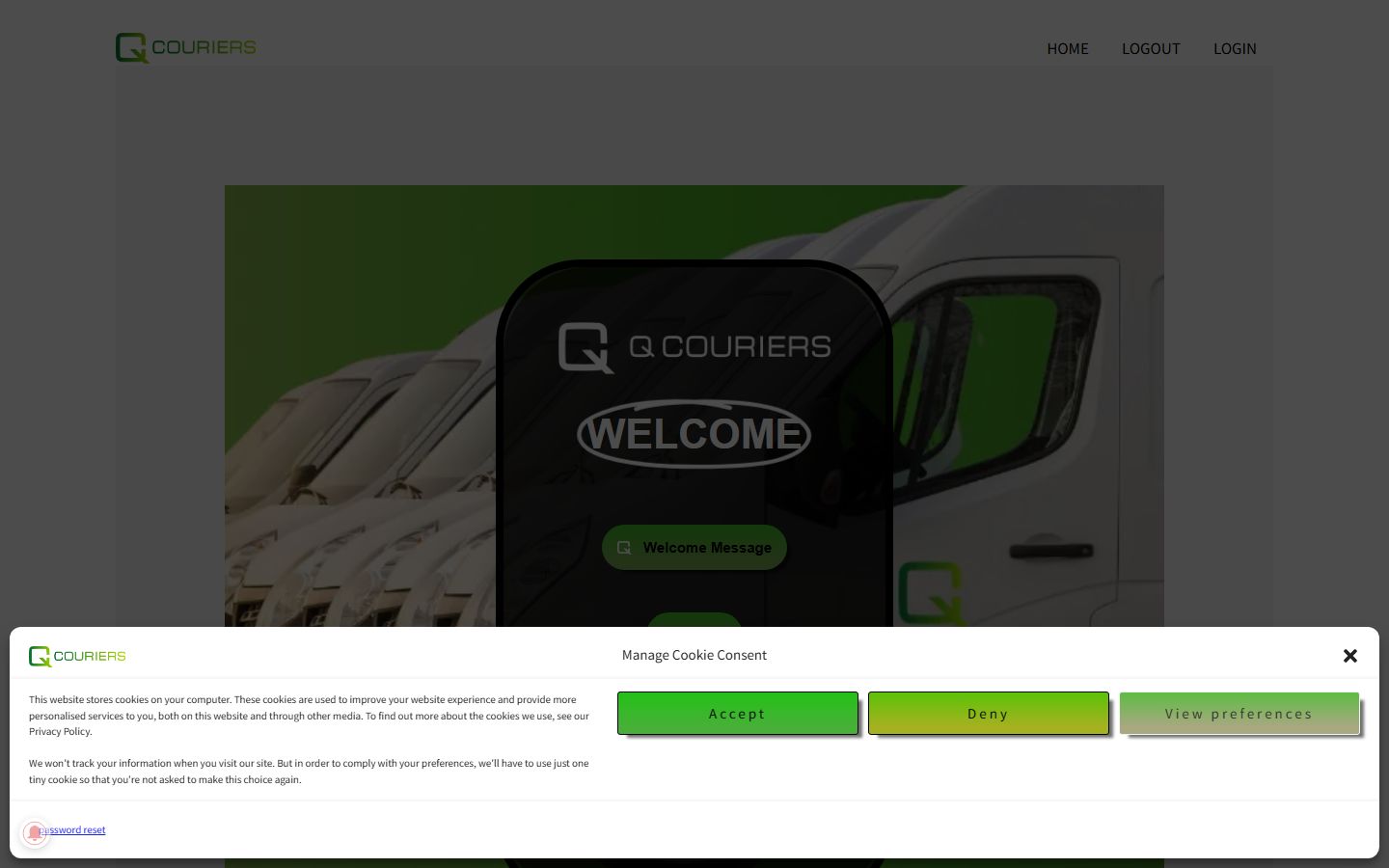


Performance-grade website delivery requires coordinated execution across design, development, and digital strategy disciplines.
Website delivery requires clear responsibility across design, development, content, search, analytics, and client approval. Each proposal names which roles Digital Marketing First will supply, which remain with the client or another supplier, and how handoffs will be managed.
Custom Design and Branding Architecture
The proposal states whether the site uses a bespoke design system, an existing theme, reusable components, or a mixture. Where concept development is included, it can cover the existing brand, competitor landscape, audience needs, typography, colour, icons, and component hierarchy. Handover documentation is included only when listed in the project scope.
- Bespoke UI design systems anchored to documented brand identity variables
- Typography hierarchy engineered for readability across viewport breakpoints
- Colour architecture aligned with conversion psychology and accessibility standards
- Iconographic and imagery frameworks that maintain visual consistency post-launch
- Design branding documentation delivered as a permanent client asset
Performance-First Development
Site architecture is engineered from the ground up for Core Web Vitals compliance. Core Web Vitals directly reduce user bounce rates — Google's own data confirms that achieving strong LCP, CLS, and INP scores produces measurable reductions in exit rates, with Moz research correlating Core Web Vitals improvements with sustained ranking gains across competitive verticals. Every build undergoes pre-launch performance auditing against the three-second threshold at which Google's data records significant conversion degradation. Caching configuration, asset delivery via CDN, image compression pipelines, and server response optimisation are standard, not optional extras.
- Core Web Vitals engineering targeting LCP under 2.5 seconds and CLS below 0.1
- Lazy-load asset pipelines reducing initial payload on mobile connections
- Cloudflare CDN configuration for global edge delivery and DDoS mitigation
- WordPress codebase hardened with object caching and query optimisation
- Staging environment load testing executed before production deployment
Ecommerce and Lead Generation Architecture
Ecommerce work can use WooCommerce or Shopify, with platform selection based on inventory scale, integrations, ownership, and support requirements. Headless architecture, CRM or email integration, conversion tracking, and GA4 events are scoped only where the client’s systems and consent setup support them. Acquisition cost is reported only when spend and qualified-conversion data are reliable.
- WooCommerce and Shopify deployment with custom checkout UX and conversion audit
- Headless architecture for supply chain portals requiring decoupled data delivery
- HubSpot CRM integration with form routing, lead scoring, and pipeline automation
- GA4 goal and funnel configuration delivering acquisition cost data from launch
- Payment gateway configuration, SSL deployment, and PCI compliance verification
SEO-Ready Technical Architecture
SEO architecture is scoped during development rather than assumed after launch. Depending on the project, delivery can include semantic HTML, heading structure, structured data, canonicals, XML sitemaps, hreflang, metadata, Open Graph tags, and robots controls. The proposal lists the relevant components, plugins, validation work, and implementation owner for the selected CMS.
- Semantic HTML5 with clean heading hierarchy and alt-text attribution standards
- Schema markup deployment via Schema Pro covering Service, LocalBusiness, and FAQ types
- Canonical tag and hreflang configuration for multi-market deployments
- Yoast SEO configuration validated against Google Search Central technical guidelines
- Open Graph and Twitter Card meta deployment for controlled social sharing
Web Design Agency vs Website Builder vs Freelance — Capability Comparison
| Capability | Web Design Agency | DIY Website Builder | Freelance Developer |
|---|---|---|---|
| Design Ownership | Full bespoke ownership; no platform dependency | Template-restricted; platform owns design system | Variable; depends on individual capability |
| Core Web Vitals Compliance | Engineered and audited pre-launch | Platform-dependent; often poor on shared infrastructure | Not standardised; rarely audited |
| SEO Architecture | Schema, canonical, hreflang, and sitemap as standard | Basic meta only; schema rarely available | Inconsistent; typically requires separate SEO engagement |
| Ecommerce Scalability | Headless-capable; catalogue-unlimited | Capped by platform tier; high per-transaction fees | Limited by individual technical scope |
| CRM and Analytics Integration | HubSpot, Mailchimp, GA4 configured and validated | Plugin-only; limited data layer access | Varies by toolkit familiarity |
| Post-Launch Support | Structured maintenance packages with defined SLAs | Platform support only; no bespoke assistance | Ad hoc; no guaranteed availability |
| Multi-Disciplinary Collaboration | Design, development, and digital strategy as a team | Self-managed; no specialist input | Single practitioner; no strategic layer |
Working Standards and Accountability
Digital Marketing First is led by Gareth Wilson and delivers websites remotely across the United Kingdom and selected European markets. Each website proposal identifies the platform, deliverables, technical dependencies, testing scope, ownership, handover requirements, and evidence that will be used to assess delivery.
- Platform names describe the proposed technology and do not imply vendor partnership, endorsement, or certification
- Editorial review identifies sources, claim owners, approval requirements, and regulated-content dependencies
- Search work is reviewed against public Google Search Central and schema.org documentation
- Quality checks cover responsive layouts, forms, crawlability, metadata, structured data, and agreed accessibility targets
- Client access, source files, third-party licences, hosting, backups, and handover are stated in the proposal
- Public portfolio claims require evidence and permission before client names, quotations, or outcomes appear
Review the measurement standard used before project examples, client names, quotations, or outcome figures are published.
A Timeline for Web Design Agency Projects
Every engagement follows a structured delivery model across six defined phases, with week ranges established during the proposal stage and confirmed in the project contract before work commences.
Discovery and Audit (Weeks 1–2)
Competitor landscape analysis, audience persona mapping, technical audit of existing infrastructure, and goal-setting workshop. Deliverable: a scoped project brief and success metric framework.
UX Architecture and Wireframing (Weeks 2–4)
Information architecture design, user journey mapping, and low-fidelity wireframes covering all primary page templates. Client review and revision cycle included.
Visual Design and Design Branding (Weeks 4–7)
High-fidelity mockups produced in Adobe Creative Suite. Design branding system documentation finalised. Client approval at key milestone before development commences.
Development and Integration (Weeks 7–12)
Full-stack build on approved CMS platform. CRM, analytics, payment, and third-party integrations configured and tested. Staging environment delivered for client review.
Quality Assurance and Pre-Launch (Weeks 12–14)
Cross-browser and cross-device testing, Core Web Vitals audit, SEO architecture validation, load testing, and content migration. DNS transfer and launch monitoring for 48 hours post-deployment.
Training and Handover (Week 14–15)
CMS training sessions for content management teams, documentation delivery, and transition to the agency's ongoing maintenance package structure.
Complex ecommerce deployments, multi-language builds, or projects incorporating custom API development typically extend to a 20–24 week timeline. Scope additions agreed after project commencement are documented via formal change control to preserve timeline and budget integrity.
For clients with defined launch deadlines — product launches, event-driven campaigns, or seasonal trading windows — an accelerated delivery track is available for qualifying projects. Accelerated engagements operate with compressed review cycles, priority resource allocation, and weekly milestone sign-off rather than phase-gate approval. Eligibility is assessed during the proposal stage based on scope and content readiness.
Looking for a Web Design Agency — Get in Touch
If you are looking for a web design agency that connects technical delivery to agreed commercial measures, the next step is a scoping conversation with Digital Marketing First.
Consultation terms, project pricing, scope control, source-code access, third-party licences, asset ownership, hosting, and handover are stated in the written proposal and contract before work begins.
Read more about our related digital marketing services, including SEO Services and PPC Management, or visit our latest news section for sector analysis and platform updates relevant to UK digital marketing strategy.
Web Design Agency — Frequently Asked Questions
What distinguishes a leading web design agency from a branding agency?
A branding agency's primary remit covers identity systems — logo, typography, colour palette, and brand narrative — with web design treated as an output of that identity work rather than an independent technical discipline. A web design agency architects the digital infrastructure itself: source code, CMS configuration, performance engineering, SEO architecture, and conversion pathway design. The two functions are complementary and the most effective projects integrate both; however, the technical execution of a commercial website requires development expertise that sits outside the scope of most branding agencies operating in the UK market.
Can clients manage their own content after launch without developer dependency?
Where content management is part of the scope, the proposal identifies the CMS, editable areas, access level, training, documentation, and any feature that still requires development support. The agreed handover prevents a general claim from being made about functionality that a specific build does not include.
How does a web design agency approach accessibility compliance?
The project can target WCAG 2.2 AA requirements through colour contrast, semantic HTML, labels, keyboard navigation, visible focus states, and appropriate touch targets. The proposal states the testing method and level of assurance; a full compliance claim is not made without a completed audit against the delivered site.
What happens to the website if the agency relationship ends?
The proposal and contract state ownership, licences, administrative access, hosting responsibilities, backups, exports, handover files, maintenance terms, and cancellation conditions before work starts. Those written project terms take priority over a general website statement.
Can you deliver web design across the UK and Europe?
Yes. Digital Marketing First offers remote website delivery to organisations across the United Kingdom and selected European markets. In-person work, travel, workshops, and any client portal are included only when stated in the written project scope.